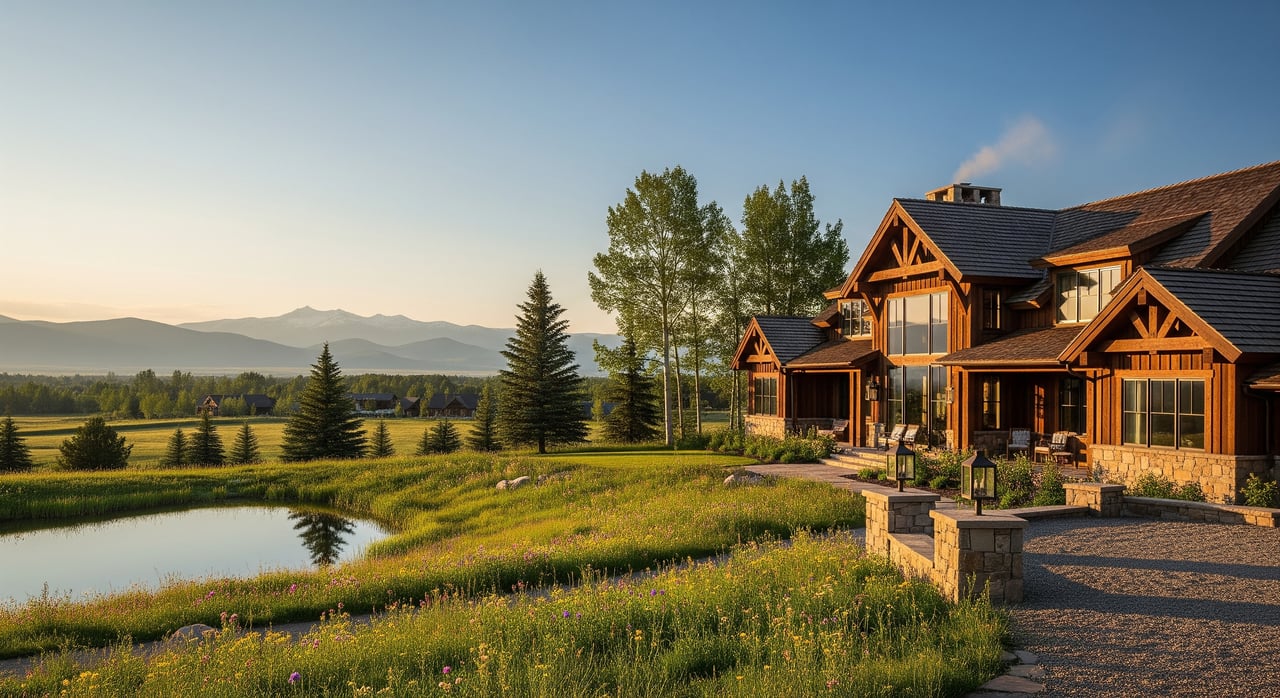
Are you torn between a cozy in-town lot in Darby and a private stretch of acreage under the Bitterroot sky? You are not alone. The right choice depends on how you want to live, what you want to maintain, and which services you need day to day. This guide breaks down the real tradeoffs in Darby and greater Ravalli County so you can choose with confidence. Let’s dive in.
In-town Darby: What to expect
Daily life and amenities
In-town living puts you close to local shops, the post office, and community services. You can spend less time driving and more time enjoying the town. Many buyers appreciate shorter emergency response times and the ability to walk to everyday errands.
Utilities and maintenance
In-town homes are more likely to have municipal or community water and sewer. Electricity, trash pickup, and snow plowing are typically simpler to arrange. You also manage less land, which means less mowing, weed control, and driveway work.
Tradeoffs to weigh
Smaller lots limit space for large animals or expansive outbuildings. Setbacks and subdivision rules can restrict shop size, RV parking, or exterior changes. If you want privacy or room for equipment, you may outgrow an in-town parcel quickly.
Acreage near Darby: What to expect
Space and uses
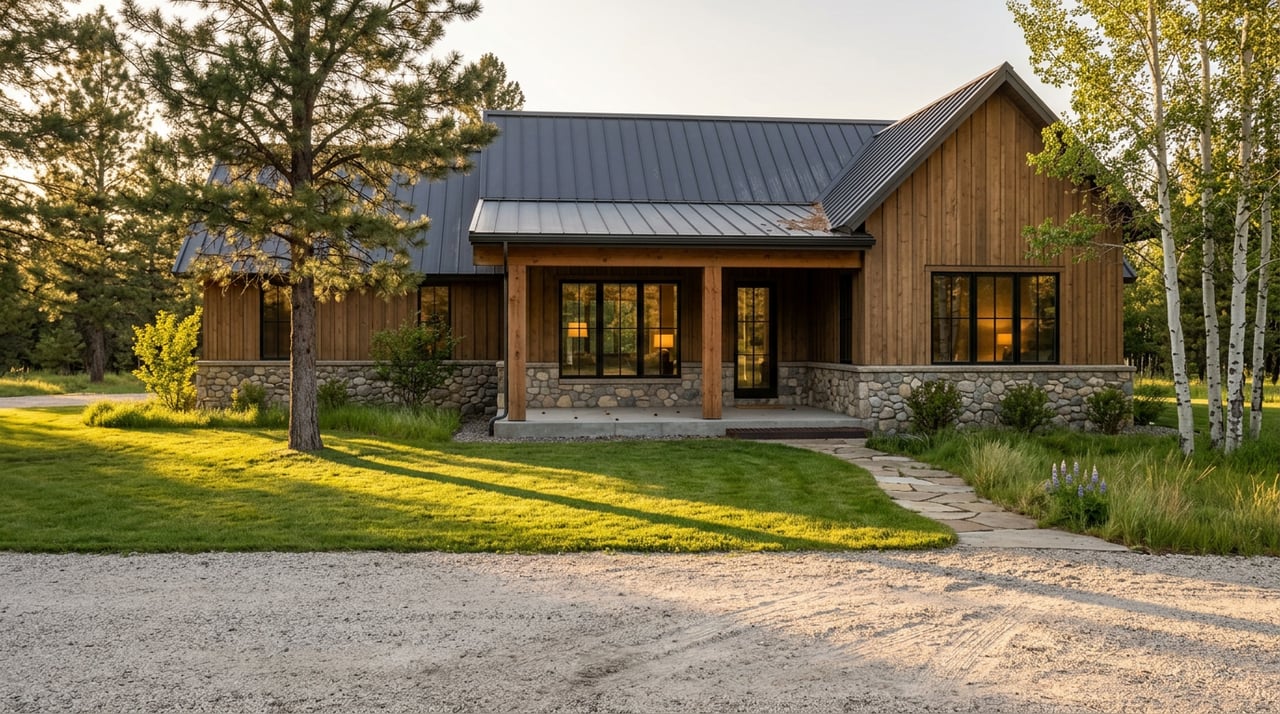
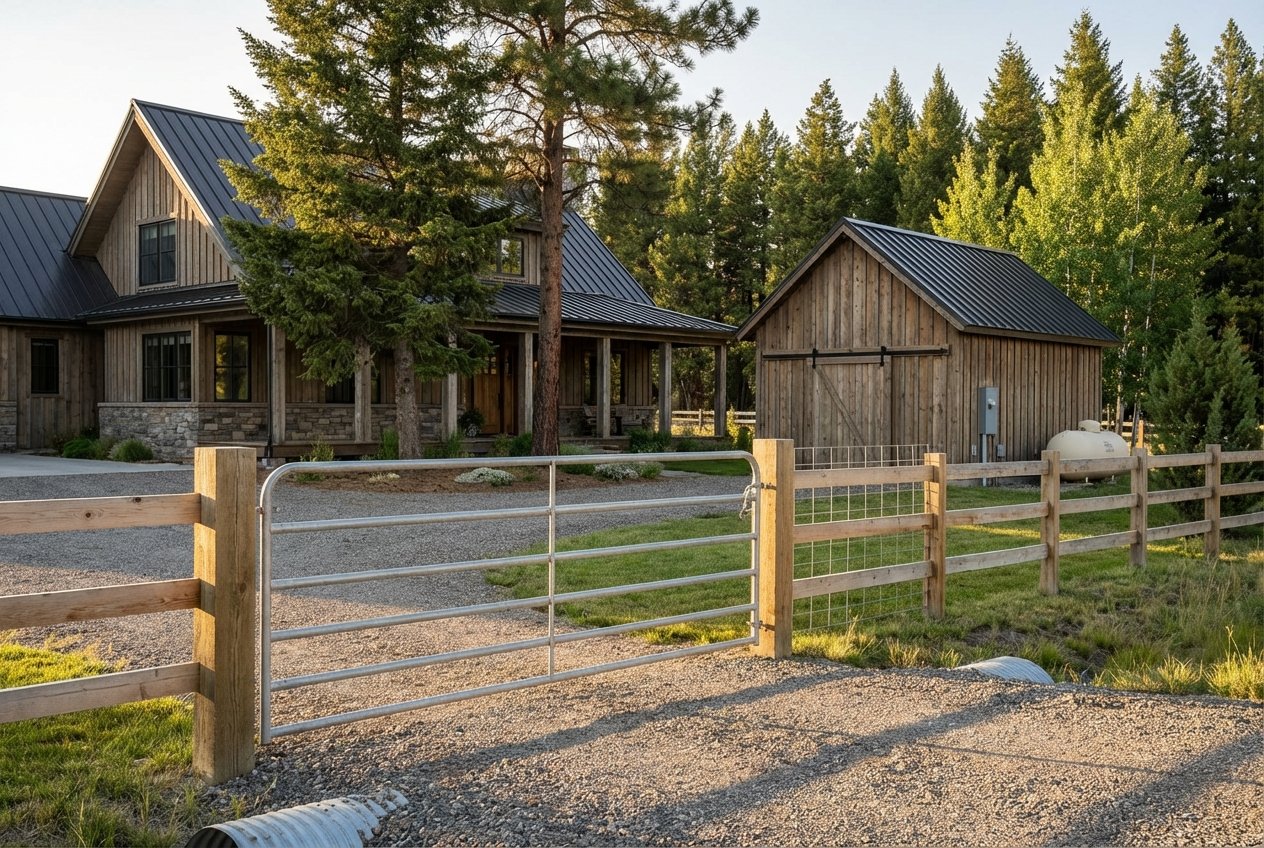
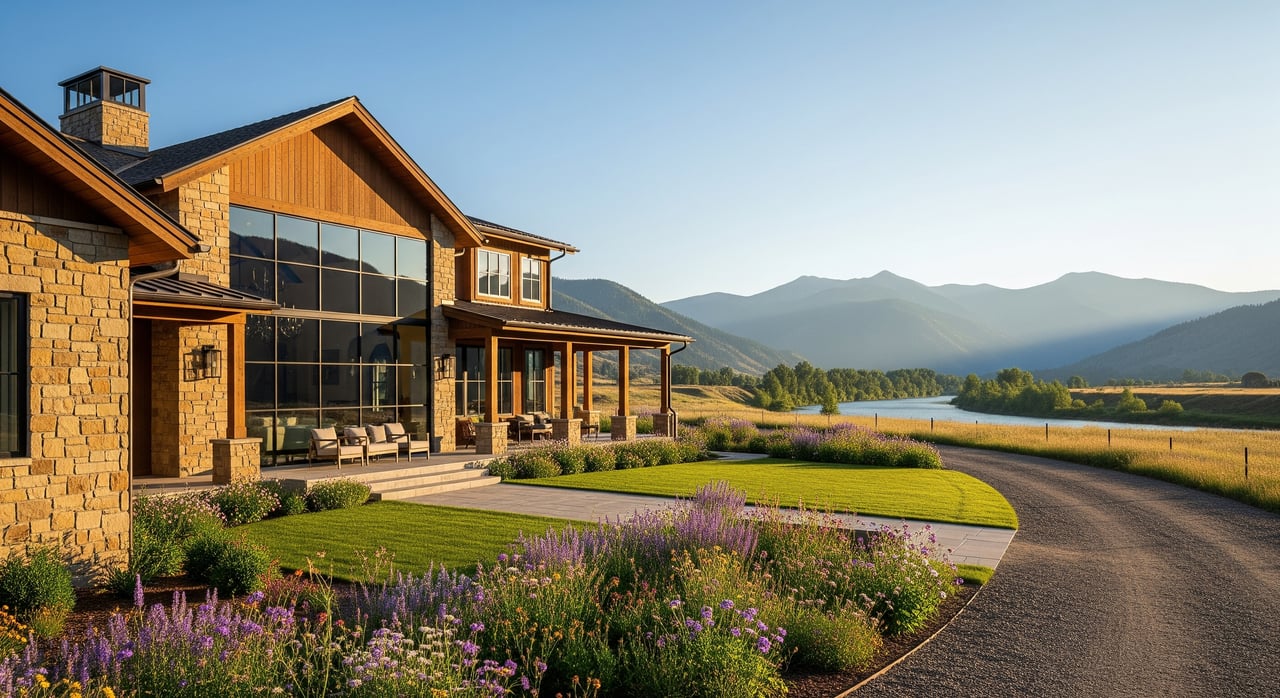
Acreage outside town ranges from a few acres to large tracts. Many ranchettes in the area run 5 to 40 acres. You gain privacy, room for horses or livestock, larger outbuildings, hobby farming, and recreational space, depending on zoning and any covenants.
Utilities and access
Most rural properties rely on a private well and septic. Heating often includes propane, wood, or oil. Broadband and cell service can vary by location, and some parcels require creative solutions like fixed wireless or satellite. Access can be seasonal, especially on long gravel roads, steep drives, or routes affected by spring runoff.
Responsibilities and risks
With acreage, you take on more: road and driveway maintenance, fencing, weed and erosion control, and wildfire defensible space. Western Montana sees winter snow, summer wildfire risk, and localized flooding. Budget time and resources to manage these conditions.
When acreage fits
Choose acreage if you value privacy, space for animals or equipment, and the ability to add shops or barns. It also fits if you are comfortable managing wells, septic, maintenance, and access. If convenience and low upkeep rank higher, focus your search in town.
Costs, financing, and insurance
Upfront and ongoing costs
Acreage may offer a lower price per acre, but ongoing costs can be higher. Plan for well testing or drilling, septic upkeep, driveway grading, fencing, outbuilding construction, fuel storage, and wildfire mitigation. In-town homes usually come with fewer infrastructure surprises and lighter maintenance.
Loans and appraisals
Lenders view rural acreage differently from in-town homes. Conventional loans are common, but access, road maintenance, and insurability matter. USDA, VA, and FHA loans can work in rural areas, though large acreage or agricultural improvements may complicate appraisals and eligibility.
Insurance factors
Insurance availability and premiums depend on distance to fire services, wildfire risk, and roofing materials. Rural properties further from a fire station or water source may require specialty insurers. Flood insurance can apply if a property lies in or near a mapped floodplain.
Rules and rights to verify
Zoning and permits
Check with Ravalli County Planning and Development to confirm allowed uses, setbacks, and the process for new homes or accessory structures. Minimum lot size and use permissions vary by zoning.
CCRs and road agreements
Some subdivisions and shared-road communities have covenants that limit animals, building size, fencing, exterior finishes, and short-term rentals. Review HOA dues and any road maintenance agreements so you know who plows, grades, and pays.
Water rights and wells
In Montana, water rights can be separate from the land. Verify well logs, production, and water quality, and confirm any attached surface or groundwater rights through the appropriate agencies. Always understand the source and reliability of your water.
Septic and wastewater
Outside town, septic systems are the norm. Request past permits, locate the drainfield, and review maintenance history. If you plan to add bedrooms or another dwelling, confirm the system’s capacity and county requirements before you buy.
Floodplain and hazards
Use flood mapping resources to determine floodplain status. On sloped or alluvial areas, additional site evaluations can be necessary. Wildfire defensible space and building materials matter in forested settings.
Service checks to make
Internet and cell service
Coverage can vary from street to street. Confirm available providers, connection types, and speeds. Explore backup options if you work from home or rely on reliable video calls.
Roads and winter plowing
Ask whether a road is county maintained or private, who plows it in winter, and to what point the plow runs. For private roads and long driveways, clarify shared costs and agreements.
Emergency services and wildfire
Identify which fire district covers the property and the distance to the nearest station. Ask about recommended defensible-space measures. Insurance carriers often consider these factors, which can affect premiums and eligibility.
Due diligence checklist
- Request from the seller or agent: deed and recent title report, any CCRs/HOA and road agreements, past surveys, well logs and water tests, septic permits and pumping records, building permits, past tax bills, and insurance loss history.
- Order inspections and tests: general home inspection, septic evaluation, well flow and water quality testing, boundary survey if lines are unclear, title review for easements and rights-of-way, and hazard assessments where appropriate.
- Verify with local authorities and providers: zoning and setbacks, septic standards, county or private road maintenance, fire district coverage, electric line extension costs, fuel suppliers, and internet options.
- Assess lifestyle fit: commute times, school district boundaries and transportation options, proximity to groceries and healthcare, and the community activities that matter to you.
Decision guide: Which is right for you?
- Prioritize in-town Darby if you want walkability, low outdoor maintenance, municipal water and sewer, predictable utilities, and generally easier insurance and financing.
- Prioritize acreage if you want privacy, room for animals and equipment, open views, and the freedom to add outbuildings while taking on more infrastructure and maintenance.
- If you are undecided, score each factor 1 to 5: access to services, privacy and land use needs, maintenance tolerance and cost, financing and insurance flexibility, commute considerations, and resale goals. Add your scores to see which path fits best.
Final thoughts and local help
Whether you choose a tidy in-town lot or a sprawling ranchette, the smartest move is to verify utilities, access, rules, and risks before you write an offer. With deep experience in construction and land, and a track record across the Bitterroot Valley, you can get clear, practical guidance tailored to your goals. If you are weighing tradeoffs or want to pressure-test a specific property, reach out to Susanne Schmidt for a thoughtful, low-pressure conversation.
FAQs
What are the biggest differences in Darby living?
- In-town offers walkability, municipal services, and lower maintenance; acreage provides privacy, room for animals and outbuildings, and more infrastructure to manage.
How do utilities differ on acreage near Darby?
- Rural properties often rely on private wells, septic systems, propane or wood heat, and variable internet or cell coverage, while in-town homes are more likely to have municipal hookups and simpler utility access.
What should I verify about wells and water rights?
- Confirm well depth, yield, and water quality, and review any associated water rights; in Montana, surface and groundwater rights can be separate from the land.
How does winter access affect rural properties?
- Steep or long gravel roads, bridges, and fords can be challenging in snow or spring runoff; confirm who maintains and plows the road and how far the service extends.
Can I keep horses or livestock on acreage?
- Many acreage parcels allow animals, but you should check county zoning, any CCRs, and your water supply and fencing plans before you commit.
Will insurance cost more for rural homes?
- It can, based on distance to a fire station, wildfire risk, and roof materials; obtain quotes early to confirm coverage and cost.