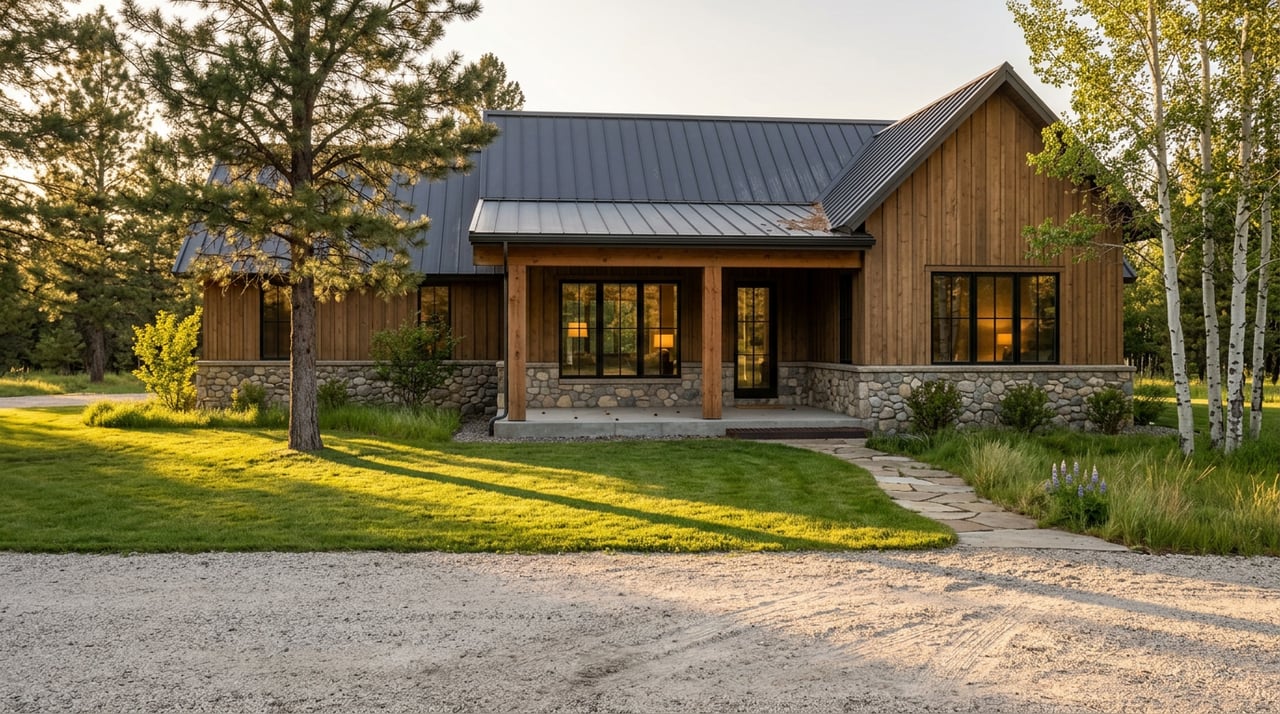
Looking for more elbow room, big skies, and a quieter pace, but not sure whether Corvallis or Hamilton fits you best? You are not alone. Buyers who want “country living” in the Bitterroot often weigh more land and privacy against quick access to services. In this guide, you will get a clear, side-by-side look at both towns, what to expect with land and utilities, and a practical checklist to make a confident choice. Let’s dive in.
Corvallis vs. Hamilton at a glance
Corvallis is a small valley community of roughly 1,100 residents, while Hamilton is the county city with about 4,600 to 4,700 people. You can confirm scale and context on the pages for Corvallis, Montana and Hamilton, Montana. The two towns sit only 5 to 6 miles apart, which means you can live in one and use the other’s services with a short drive.
The practical tradeoff comes down to priorities:
- Choose Corvallis if acreage, a rural feel, and quick access to valley fields and mountain foothills are top of mind.
- Choose Hamilton if you want short drives to hospital care, more retail and dining, and in-town services.
Either way, you are in the heart of the Bitterroot Valley, with river-bottom meadows, irrigated farms, and mountain views east and west.
Land and lot patterns
If you are shopping for space, Corvallis often delivers. The surrounding area commonly features 1 to 10 acre parcels with occasional larger ranch properties. You will see listings highlight barns, shops, and irrigation or ditch rights. In Hamilton proper, lot sizes trend smaller inside city limits, with more classic in-town neighborhoods and newer subdivisions. Acreage near Hamilton usually lies outside the city boundary.
When evaluating land in Ravalli County, plan for standard rural due diligence:
- New lots must show adequate water and space for a septic system, and larger subdivisions have specific design standards. You can review the county’s controlling rules in the Ravalli County Subdivision Regulations.
- Some neighborhoods form citizen-initiated zoning districts to shape future development. The county’s Zoning page outlines how these districts work.
Bottom line: if your goal is acreage with a working-land feel, you may find more options around Corvallis. If you want a smaller yard with easier access to city utilities and services, focus on Hamilton inside city limits or close-in subdivisions.
Utilities and connectivity
Outside Hamilton’s city boundary, most rural properties rely on private wells and septic systems. Always request well logs, septic permits, and any approvals from Ravalli County Environmental Health. The county’s process and contacts are summarized under Subdivisions & Exemptions.
Internet and cell service vary by address. Close-in areas may have fiber or fixed wireless, while remote tracts often depend on satellite options. Before you commit, verify provider coverage and test speeds at the property. A quick starting point is this local coverage snapshot for Corvallis and the valley area.
If you need immediate municipal water, sewer, and consistent wired broadband, focus on Hamilton city addresses or new subdivisions near existing services. If you prioritize acreage, be ready for due diligence and potential costs for utility extensions or upgrades.
Services and access
Hamilton serves as the valley’s primary service hub. It hosts the hospital and most retail, restaurants, and community amenities. If you prefer shorter emergency response times or want everyday errands close to home, Hamilton can be a strong fit.
Healthcare and emergencies
Hamilton is home to the valley’s main acute care hospital and health system. For details about local services and regional care, visit Bitterroot Health. Living near Hamilton can reduce your hospital or ER drive time, which matters for many buyers.
Schools and community
Corvallis and Hamilton both have local K–12 school systems. Because attendance boundaries change, confirm the assigned schools for any specific address with the district before you write an offer. For Hamilton’s high school context, see the page for Hamilton High School (Montana). Use neutral criteria like proximity, programs, and schedule when comparing options, and verify all details directly with the district.
Retail, food, and culture
Downtown Hamilton offers the broadest mix of restaurants, shops, and events in the valley. A good snapshot of the community feel is the Hamilton Farmers Market, a local fixture that runs seasonally and brings vendors and neighbors together. Corvallis offers day-to-day essentials at a smaller scale, and most residents tap Hamilton for expanded options.
Commuting to Missoula
Many residents commute to Missoula for work or specialty services. Depending on route and conditions, drive time runs about 45 to 60 minutes from both Corvallis and Hamilton. You can confirm a general route and distance here: Corvallis to Missoula drive distance.
Natural setting and risks
The Bitterroot Valley sits between the Bitterroot Mountains to the west and the Sapphire Mountains to the east, with the Bitterroot River nearby. That landscape delivers the outdoor lifestyle many buyers want. It also brings planning considerations you should factor into any purchase.
Wildfire risk and design standards
If your target property lies near forested slopes or interfaces with timbered land, expect wildfire-related requirements to influence site planning and costs. Ravalli County’s subdivision rules address “High Fire Hazard Areas,” including defensible space, access for emergency vehicles, water supply standards, and two-exit-route expectations for certain subdivisions. Review the Subdivision Regulations to understand how these standards can affect your build or expansion plans.
Water, floodplain, and irrigation
Parcels along the Bitterroot River or near creeks can have localized floodplain or drainage constraints. Check parcel-specific floodplain maps and insurance implications with county planning. The county’s Zoning page links to flood resources and contacts.
If your lifestyle plan involves livestock, hay, or irrigated landscaping, confirm the presence and status of any irrigation or ditch rights in title, and understand how water access works on that property. In Montana, water rights are distinct legal assets. Many listings advertise these rights, but you need to verify them and the practicality of irrigation on the ground.
Housing styles you will see
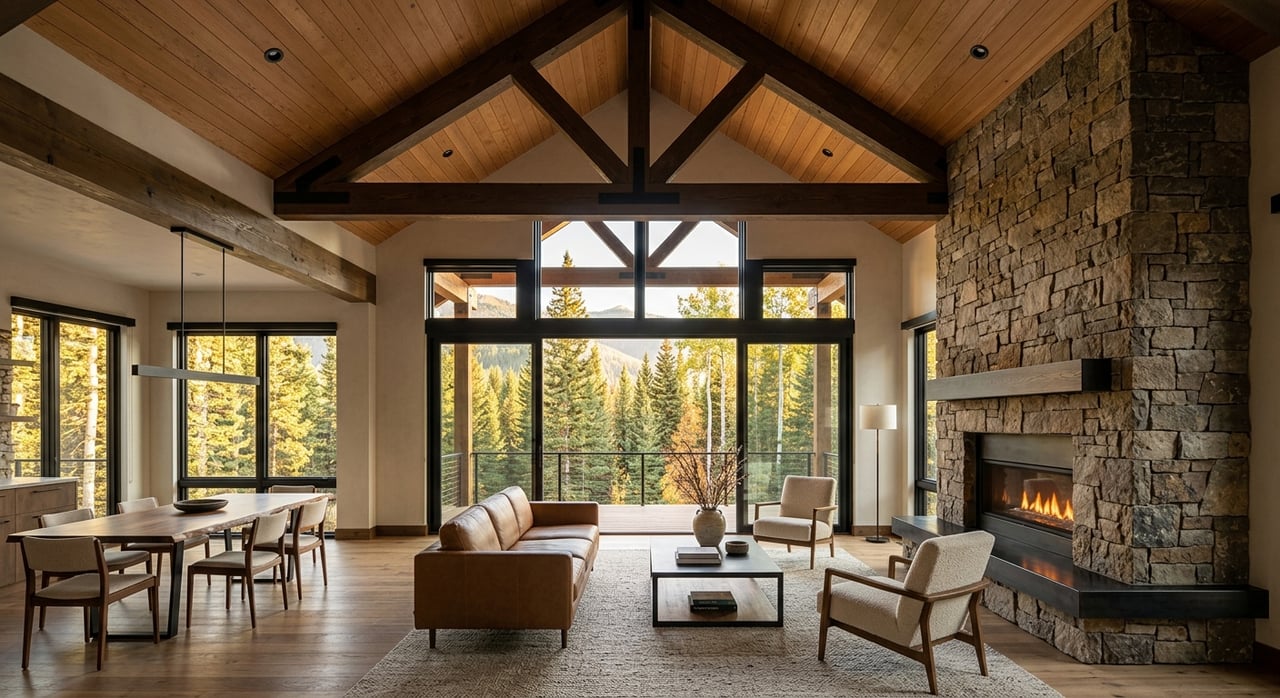
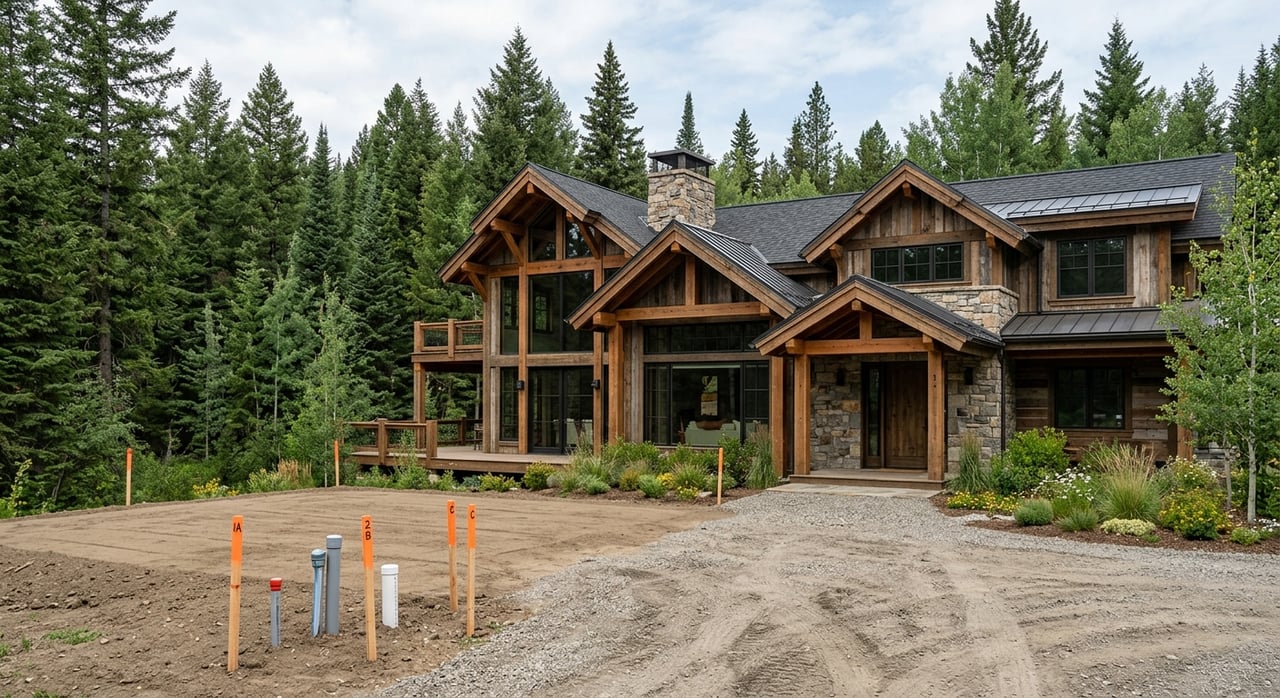
- Corvallis area and nearby acreages: ranch-style homes, farmhouse properties, custom mountain builds, and manufactured homes on land. Outbuildings like barns and shops are common, and listings often highlight pasture capacity and irrigation features.
- Hamilton in-town: older bungalows and craftsman homes, modest single-family lots, newer subdivisions, and some townhomes or condominiums. The draw is proximity to grocery, library, and civic services, with a more traditional neighborhood feel.
Market pricing moves with seasonality and inventory. County-level aggregator pages often show many acreage properties around Corvallis and more in-town choices for Hamilton. For the latest numbers that match your criteria, ask for a custom search and on-the-ground comps before you make an offer.
Which town fits you
Use these quick profiles to match your priorities:
Pick Corvallis if you want:
- A more rural feel and frequent acreage options.
- Easier access to foothills and open land right out your door.
- Quieter roads and fewer in-town distractions, with willingness to drive a few miles for services.
Pick Hamilton if you want:
- Shorter trips to hospital care and emergency services.
- Walkable or short-drive access to restaurants, retail, and civic amenities.
- Smaller lots with lower yard maintenance inside city limits.
Because the two towns sit minutes apart, many buyers tour in both areas. The right choice often comes down to your daily rhythm, desired privacy, and comfort with rural systems like wells, septic, and irrigation.
Buyer due diligence checklist
Use this practical checklist to reduce surprises and protect your budget:
- Drive-time reality check
- Time your commute and key errands at likely hours, including winter conditions. Confirm who maintains access roads and how snow removal works on private or shared lanes.
- Verify water and wastewater
- Request well logs and yield tests. Get septic permits and any site evaluations from Ravalli County Environmental Health. Start with the county’s Subdivisions & Exemptions page for contacts and process.
- Confirm irrigation and ditch rights
- If the property’s value includes hay or irrigated pasture, verify irrigation or ditch rights in title and with the appropriate ditch company. Water rights are separate legal interests in Montana.
- Test broadband and cell coverage
- Ask providers for address-level service maps, and test speeds during showings. Use this local snapshot for broadband availability in Corvallis and the valley as a starting point.
- Check floodplain status
- If near the Bitterroot River or creeks, confirm any floodplain designation, insurance needs, and building constraints with county planning. See the county’s Zoning and flood resources.
- Plan for wildfire mitigation
- For properties near forested slopes, ask for any prior defensible-space work and local fire district details. Review county “High Fire Hazard Area” standards in the Subdivision Regulations.
- Clarify school assignments
- If school placement matters, verify current district boundaries and transportation details directly with the school district before you write an offer.
Next steps
Choosing between Corvallis and Hamilton is easier when you match the lifestyle you want with the on-the-ground realities of land, utilities, and access. If you would like a property tour, a custom acreage search, or a second set of eyes on water rights, septic, and wildfire considerations, reach out to Susanne Schmidt for a confidential consultation. With 25+ years of experience across the Bitterroot and Western Montana, she combines land and construction insight with calm, high-touch representation so you can move forward with confidence.
FAQs
What are the key differences between Corvallis and Hamilton for country living?
- Corvallis typically offers more acreage and a quieter rural feel, while Hamilton provides closer access to hospital care, retail, and in-town services. The towns are only minutes apart, so many buyers use both for daily needs.
How far is the commute from Corvallis or Hamilton to Missoula?
- Plan on roughly 45 to 60 minutes depending on route and conditions. Winter weather can extend drive times, so test your commute at peak times before you buy.
Do rural properties near Corvallis and Hamilton have wells and septic systems?
- Most parcels outside Hamilton city limits rely on private wells and septic. Request well logs and septic permits, and review county requirements with Ravalli County Environmental Health before closing.
What wildfire and flood risks should I consider in the Bitterroot Valley?
- Properties near forested slopes can fall under High Fire Hazard Area standards that affect access, water supply, and defensible space. Parcels near the river or creeks may have floodplain limits. Check county resources for parcel-specific details.
Are irrigation or ditch rights common on acreage in Corvallis?
- Many acreage listings highlight irrigation or ditch rights, especially for hay or pasture. Verify any claimed water rights in title and with the ditch company, and confirm how water delivery works on-site.
Which town is better for in-town amenities and services?
- Hamilton is the valley’s service hub with the hospital, more dining and shopping, and civic programming. Corvallis offers a smaller set of everyday conveniences and relies on Hamilton for broader options.
What housing styles are common in these areas?
- Around Corvallis you will see ranch-style and farmhouse homes, custom mountain builds, and outbuildings on multi-acre parcels. In Hamilton you will find older bungalows and craftsman homes, newer subdivisions, and some townhomes or condos.