If you are selling an acreage home in Corvallis, you are not just selling square footage and views. You are also selling water access, road access, land use details, and the paperwork that helps a buyer understand how the property functions day to day. When you prepare those details early, you can reduce surprises, strengthen buyer confidence, and position your property more effectively before it hits the market. Let’s dive in.
Why Corvallis acreage homes sell differently
In Corvallis, acreage properties are often evaluated as both a home and a land-and-infrastructure package. Ravalli County’s subdivision questionnaire asks about access, easements, irrigation ditches, water rights, wastewater systems, floodplain exposure, wetlands, wildfire hazard, and other site conditions.
That matters because buyers of rural property usually look beyond the house itself. They want to know how the land is accessed, watered, maintained, and used. If you can answer those questions clearly, your listing is easier to understand and easier to trust.
For many sellers, this is where preparation pays off. A clean set of documents and a well-organized property story can help your acreage stand out, especially when buyers are comparing multiple rural listings with very different land features.
Water details often shape value
Irrigation can be a major selling point
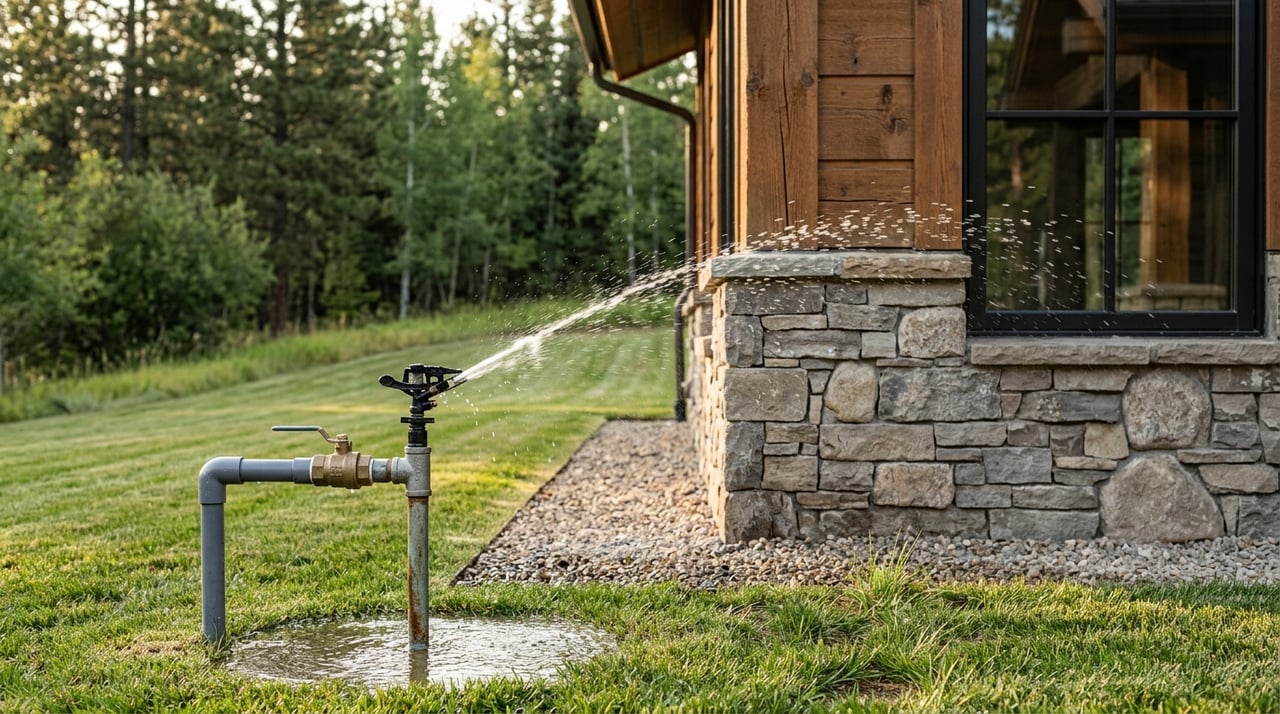
For many Corvallis acreage homes, irrigation is one of the first things serious buyers ask about. Ravalli County’s forms specifically request information about irrigation ditches, water-right status, district contacts, annual water allocation, and the number of acres currently under irrigation.
That tells you something important. Buyers are not just asking whether a parcel has land. They are asking how much of that land is actually irrigated and what supports that use.
Bitter Root Irrigation District notes that acreage owned is not the same as irrigated acreage. If you market a property with productive ground, pasture, or landscaping that depends on irrigation, it helps to verify exactly what is irrigated rather than relying on assumptions.
Water rights are not always simple
Montana water issues can be technical, and that is especially true on acreage. The Montana Department of Natural Resources and Conservation states that a well log does not create a water right.
DNRC also explains that parcels served by a ditch company, irrigation district, or water association may not have an individual water right because the district may own the right while the owner holds shares or an allocation. If your property is served through a district or association, buyers will usually want to understand what transfers with the sale and what records support it.
DNRC further states that new or expanded water uses after June 30, 1973 generally require a permit or notice and completion filing. For sellers, the practical takeaway is simple: gather your documentation early and make sure your water story is accurate.
What to gather before listing
Before you market a Corvallis acreage home, it helps to organize:
- Water-right abstracts
- Irrigation district or association statements
- Annual assessment receipts
- A map showing ditches, pipelines, and easements
- Notes on actual irrigated acreage
- Contact information for the district or association, if applicable
If the property has gone through a family transfer or land split, review whether updated irrigation paperwork may be needed. Daly Ditches notes that after land splits or family transfers, an irrigation plan must be submitted for approval.
Access and roads matter more than many sellers expect
Buyers want to know how the property is reached
Access is a major buyer filter for acreage homes. Ravalli County requires approach permits for field, residential, and commercial accesses, and the county advises buyers to investigate road conditions and maintenance because many roads are state or privately maintained, while many platted county roads are not maintained by the county.
That means a buyer may look closely at more than the driveway entrance. They may also want to know who maintains the road, whether there are easements, and whether any bridge or culvert issues affect year-round use.
Paperwork can smooth due diligence
Ravalli County forms ask for road names, maintenance responsibility, right-of-way or easement widths, bridges, and existing or proposed accesses. If you can provide those details up front, you can help buyers evaluate the property with fewer unknowns.
Useful seller documents often include:
- A parcel map
- Recorded easements
- Road maintenance agreements
- Approach permit information
- Bridge or culvert records, if applicable
This is one of the places where rural property sellers benefit from a practical, organized approach. The more clearly you can document access, the easier it is for a buyer to picture ownership without added risk.
Easements and structures should be reviewed early
Acreage properties often include more than a main house. You may have a barn, shop, shed, fenced area, equipment storage, or other accessory improvements that add value and utility.
Before listing, it is smart to confirm what paperwork exists for those structures. Ravalli County’s questionnaire asks whether covenants or deed restrictions limit land uses or structures, and county subdivision rules include a separate additional-structure filing process.
That does not mean every structure creates a problem. It simply means buyers may ask whether improvements, utility service, and use restrictions have been checked. If you answer those questions early, your listing presentation becomes stronger and more credible.
Septic, wells, and site conditions can affect timing
Septic status is a key issue
On acreage properties, septic documentation can quickly become a deal-making or deal-breaking issue. Ravalli County states that septic permits are required under its wastewater regulations, and its buyer-beware notice warns that unpermitted septic systems are a serious issue.
The county also notes that misrepresenting sewage treatment can create legal exposure. For sellers, this makes septic permit status one of the most important items to verify before the listing goes live.
Groundwater and floodplain questions may come up
Ravalli County states that groundwater monitoring may be required when a site evaluation shows seasonally high groundwater from soils, wetlands, or irrigation. The county also requires a floodplain determination if a proposed system is within 300 feet of a delineated floodplain.
Even if your system is already in place, buyers may still ask about these conditions as part of their diligence. Having records organized ahead of time helps keep the transaction moving.
Wells still require clear explanation
A well is another major talking point on rural property, but it is important to present well information accurately. Since DNRC states that a well log does not create a water right, sellers should avoid treating those two items as interchangeable.
Instead, keep your well records and your water-right or district records organized as separate pieces of the property file. That clarity can prevent confusion once buyers begin asking detailed questions.
Wildfire readiness and land condition count
Ravalli County approved its Community Wildfire Protection Plan on February 20, 2024. The county’s subdivision regulations require defensible-space building envelopes, vegetation management around structures, driveway clearing, and ongoing maintenance and testing of water delivery systems in high-fire-hazard areas.
For sellers, this means property condition is not just about curb appeal. Buyers may notice whether brush has been managed, whether access around structures feels clear, and whether the property appears maintained with wildfire readiness in mind.
Ravalli County also requires burn permits for outdoor burning, and the county’s 2026 notice states that burn season runs from March 1 through November 30. If you are planning cleanup as part of your seller prep, it is wise to understand those timing and permit requirements.
Weed control supports marketability
Weeds can also influence how acreage property is perceived. The Ravalli County Weed District states that noxious weeds reduce crop yields, lower land values, can poison livestock, and damage waterways.
If your parcel includes pasture, hay ground, or larger open areas, it helps to treat and map weed pressure before photos and showings. Buyers tend to respond well when land looks manageable, cared for, and ready for its next owner.
A practical seller checklist
If you want to prepare your Corvallis acreage home for market, start with the essentials:
- Gather water-right records, district statements, assessments, and irrigation maps
- Verify actual irrigated acreage
- Confirm access paperwork, including permits, easements, and maintenance information
- Review bridge or culvert records if they affect access
- Check septic permit status and organize well documentation
- Identify any floodplain, wetland, or groundwater-related records you have
- Review covenants, deed restrictions, and paperwork for accessory structures
- Tidy brush, weeds, and defensible space before marketing begins
This kind of preparation does more than help with disclosure and diligence. It also improves how your property is positioned from the start.
Why expert guidance helps with acreage sales
Selling acreage in Corvallis takes more than a standard home-sale approach. You need clear pricing, strong marketing, and a strategy that explains the land as well as the house.
That is where local technical knowledge can make a real difference. When your broker understands land management, infrastructure details, and how rural buyers think, your listing can be presented with more accuracy and more confidence.
For acreage, ranch, and rural home sellers, premium visuals still matter. Professional photography, drone imagery, and thoughtful listing preparation help buyers see the setting, layout, and utility of the property before they ever schedule a showing.
When those visuals are paired with organized documentation, your property tells a stronger story. That combination can help attract serious buyers from both the Bitterroot Valley and beyond.
If you are thinking about selling a Corvallis acreage home, a thoughtful review of your property’s water, access, infrastructure, and land records is one of the smartest places to begin. For tailored guidance and a high-touch marketing strategy, connect with Susanne Schmidt.
FAQs
What makes a Corvallis acreage home different from a typical home sale?
- A Corvallis acreage home is often evaluated as both a residence and a land-and-infrastructure property, so buyers may review water, irrigation, access, easements, wastewater, and site conditions along with the house itself.
What water documents should sellers gather for a Corvallis acreage property?
- Sellers should gather water-right abstracts, irrigation district or association statements, annual assessment receipts, maps showing ditches and pipelines, and records that support the parcel’s actual irrigated acreage.
Why do access records matter when selling acreage in Ravalli County?
- Access records matter because buyers often want to confirm approach permits, road maintenance responsibility, easements, and any bridge or culvert details that affect how the property is reached and maintained.
What should sellers verify about septic systems on Corvallis acreage homes?
- Sellers should verify septic permit status and organize related records because Ravalli County requires septic permits and warns that unpermitted systems can create serious issues during a sale.
How can sellers improve the presentation of an acreage property in Corvallis?
- Sellers can improve presentation by organizing property records early, confirming land-use details, managing weeds and brush, and preparing the property for professional photography and drone marketing.