Buying land around Darby is exciting, but financing it can feel very different from getting a home mortgage. You face new questions about access, wells, septic, appraisals, and loan terms that change by parcel type. With a clear plan, you can move forward confidently and make a strong offer on the right tract.
This guide breaks down land loan types, typical down payments and terms, local Ravalli County factors that affect underwriting, and a practical timeline and checklist. You will also see strategies to keep your offer competitive in a rural market. Let’s dive in.
Land types and loan options
Raw land
Raw land has no utilities, road, well, septic, or build‑ready infrastructure. Lenders view it as higher risk, so expect fewer options, higher rates, and shorter terms. Some loans may be interest‑only with a balloon payment.
Unimproved or lot loans
These parcels may have legal access and some infrastructure, but not a completed building site. Financing is more available than for raw land, though costs and down payments are still higher than a typical home mortgage.
Improved tracts
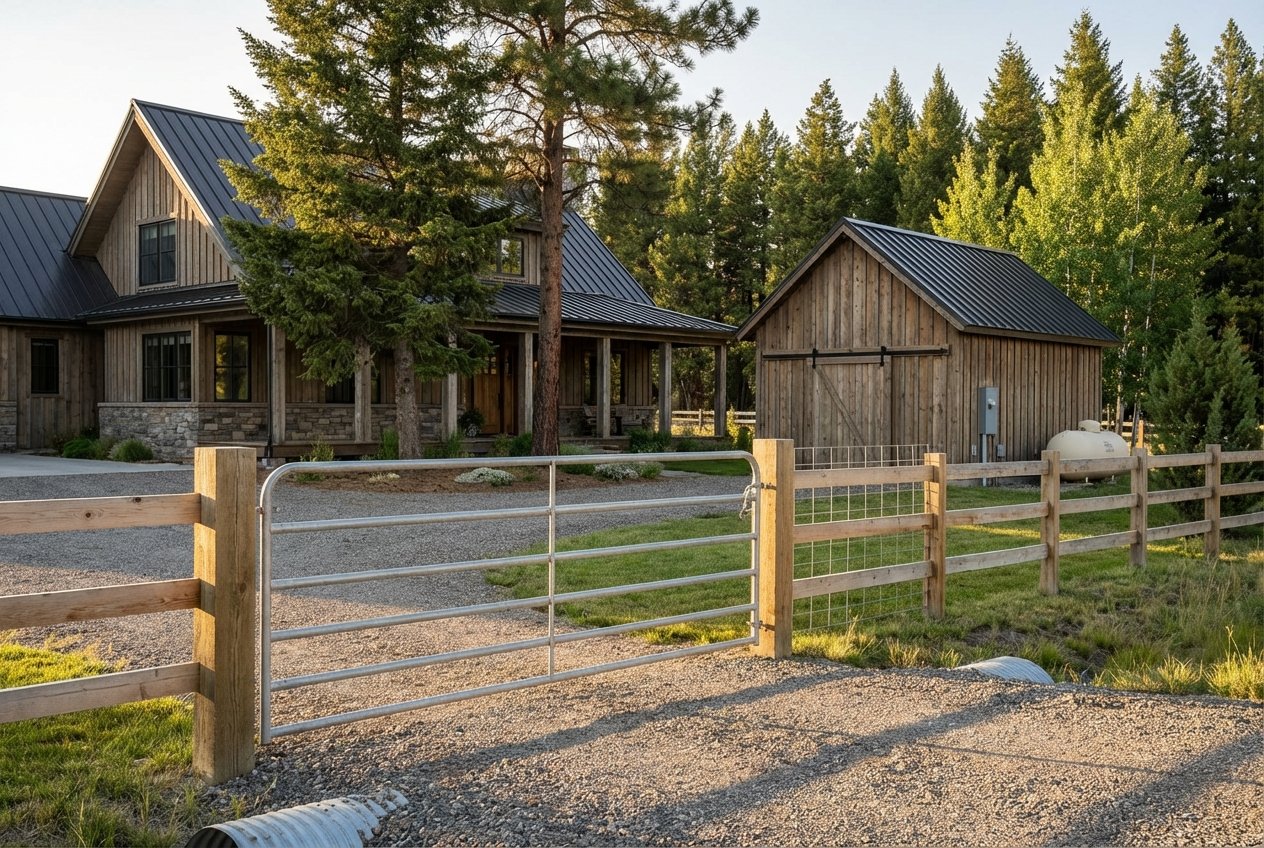
Parcels with a driveway, power, well and septic, or durable outbuildings reduce lender risk. These can qualify for higher loan‑to‑value ratios and longer amortizations when the improvements are permanent and add value.
Recreational and acreage parcels
Financing depends on use. If the land is strictly recreational, lenders focus on your ability to repay. Parcels with income potential, such as timber or grazing, may qualify for agricultural or portfolio options if documented.
Construction‑to‑permanent
If you plan to build, some lenders offer construction loans that convert to permanent financing. You will need plans, budgets, and inspections during the build.
Alternative financing
- Seller financing can be common in rural Montana if a seller is willing.
- Community banks, credit unions, and portfolio lenders may offer flexible terms and hold loans in house.
- Farm Credit and USDA programs serve agricultural buyers with eligibility requirements. USDA Rural Development housing loans generally do not fund raw recreational land without a house.
Typical terms and what lenders expect
Down payment and LTV
- Raw land: 30–50% down is common, sometimes more if there is no access or utilities.
- Unimproved/lot: 20–40% down is typical.
- Improved parcels: Down payments can approach home mortgage levels, often 20–30%, depending on appraisal and lender.
Interest rates and payments
- Land loan rates are typically several percentage points above comparable home mortgage rates.
- Many loans use shorter amortizations, often 5–20 years.
- Some raw‑land loans are interest‑only with a balloon payment.
Credit, income, and reserves
- Strong credit is preferred, often in the mid‑to‑high 600s and above.
- Expect verification of income and assets, plus documented reserves. Higher‑risk loans may require several months to a year of reserves.
Appraisal and valuation
- Appraisers rely on comparable sales, which can be sparse in rural areas.
- Access, utilities, and buildability drive value. Permanent improvements add measurable value.
Title, survey, and access
- Lenders usually require title insurance and may request a recent survey if boundaries or easements are unclear.
- Recorded, year‑round legal access is critical. Private roads may require a maintenance agreement.
Permitting and utilities
- Evidence that a parcel is buildable helps, such as septic feasibility and well information.
- In Montana, well and septic are handled through county health departments, so early feasibility work strengthens your file.
Environmental and encumbrances
- Lenders screen for floodplain, wetlands, or contamination risks.
- Conservation easements or restrictive covenants affect use and marketability and will be reviewed.
Darby and Ravalli County factors
Access and roads
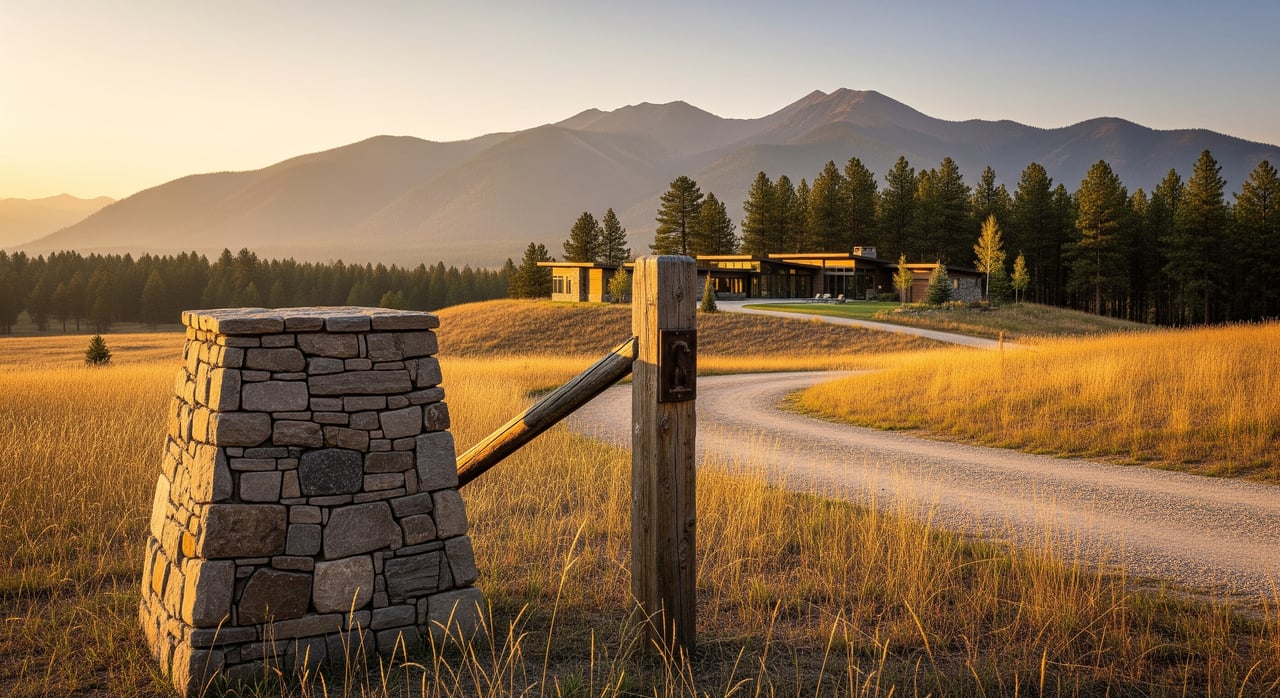
Darby’s mountain setting means slope, snow, and maintenance matter. Lenders will look for documented year‑round legal access. If access is via a private road, expect requests for a road maintenance agreement or proof of association assessments.
Utilities and buildability
Many rural parcels rely on on‑site well and septic. Feasibility evidence from county health officials and available well data can support underwriting. Start these checks early to avoid delays.
Floodplain and wildfire
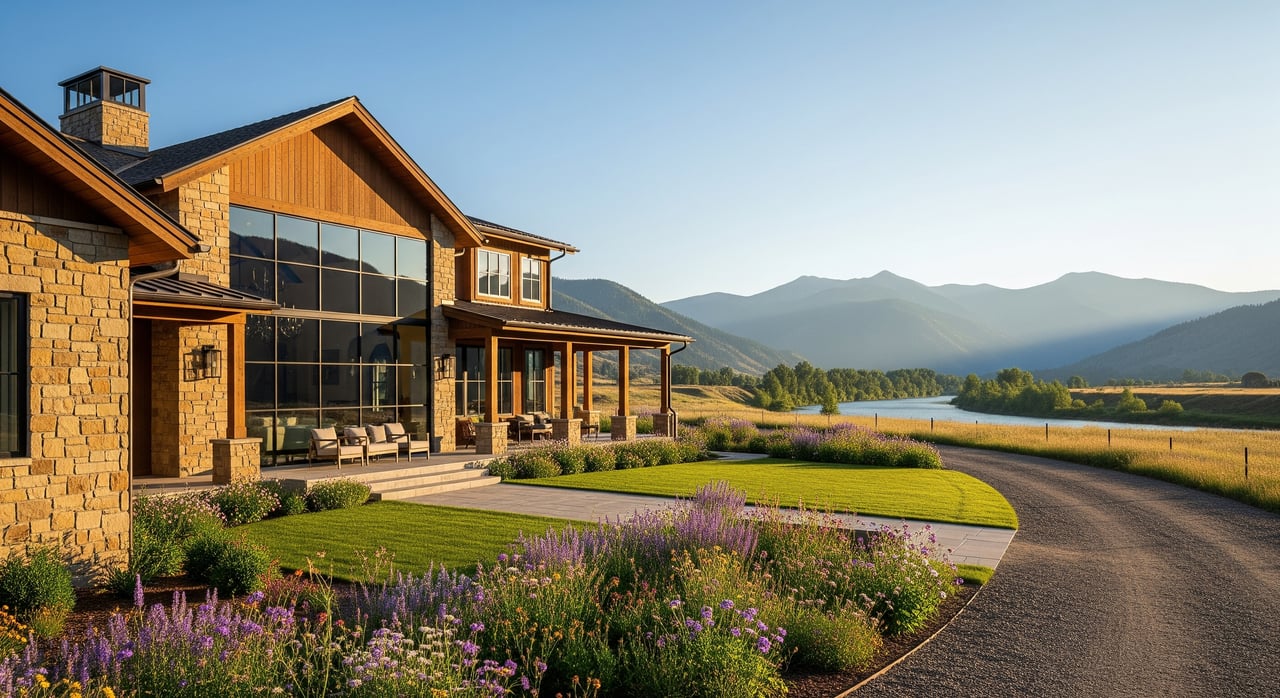
Riparian and mountain parcels may include floodplain. Wildfire risk and defensible space are increasingly important for insurance and lending. Plan ahead for mitigation and confirm insurability early in your process.
Taxes and assessments
Property tax classification, including timber or agricultural status, affects carrying costs. Review county records to understand current obligations before you write an offer.
Market liquidity and comps
Rural land can have thin sales activity. Appraisals may require large adjustments, and lenders may be conservative when comparable sales are scarce.
County permits and approvals
Subdivision, driveway, septic, and well permits are administered at the county level. Engage with planning and public works early to confirm any requirements that could affect access, utilities, or buildability.
Timeline and what to expect
- Pre‑approval or prequalification: 1–2 weeks depending on documentation and lender speed.
- Due diligence and contingencies: 30–60 days for survey, appraisal, septic and well feasibility, and title review.
- Appraisal: 2–4 weeks in rural areas, sometimes longer when comps are limited.
- Title search and insurance: 1–3 weeks.
- Survey: 2–6+ weeks depending on availability and complexity.
- Total contract to close: often 30–75 days, once conditions are satisfied.
Buyer checklist to stay competitive
Financial readiness
- Obtain a pre‑approval tailored to a land loan and parcel type.
- Prepare proof of funds for the down payment and reserves.
- Gather tax returns, pay stubs, and documentation for other income sources.
- Be ready for a larger earnest‑money deposit on scarce parcels.
Documentation and feasibility
- Request any recent survey, title report, covenants, or easement documents before you offer.
- If you plan to build, complete basic feasibility work such as a perc test and well log search.
- If seller financing is offered, ask for a term sheet and consult counsel before accepting.
Offer strategies
- Cash offers are strongest but carry risk; most buyers keep financing and feasibility contingencies.
- Shorter, clearly defined contingency windows help sellers while protecting you.
- Offering to pay for an updated survey or title work can strengthen your offer.
- Consider seller carryback financing as a negotiation tool when appropriate.
Work with local professionals
- Choose a real estate agent experienced with Ravalli County land.
- Engage a land‑savvy lender early to confirm documentation requirements.
- Retain a title company or real estate attorney familiar with access, easements, and mineral rights.
Common risks and how to mitigate
- Scarce comps and appraisal shortfalls: Build in an appraisal review clause and have extra funds available if needed.
- Access or road maintenance ambiguity: Require proof of recorded, year‑round access and written road agreements for private roads.
- Water and septic feasibility: Order perc tests, review well logs, and keep contingencies tied to successful results.
- Conservation easements and mineral rights: Review deeds and title carefully and seek legal guidance when questions arise.
- Insurance and wildfire risk: Obtain insurance quotes early and document defensible space improvements.
Considering a build now or later
If construction is part of your plan, a construction‑to‑permanent loan can simplify financing. You will need plans, a budget, and oversight during the build. Once the project is complete and conditions are met, the loan can convert to permanent financing with longer terms.
Next steps
Financing land in the Darby area rewards preparation. Focus on access, utilities, feasibility, and documentation to reduce lender uncertainty and keep your timeline on track. When you are ready to explore parcels, compare loan options, or structure a competitive offer, connect with a local expert who understands rural transactions and construction details.
For guidance tailored to your goals in the Bitterroot Valley, reach out to Susanne Schmidt for a confidential consultation.
FAQs
What down payment is typical for raw land near Darby?
- Expect 30–50% down for raw land, with higher amounts possible if there is no legal access or utilities.
How do appraisals work for rural land in Ravalli County?
- Appraisers rely on comparable sales and adjust for access, utilities, topography, and improvements, which can be challenging when sales are sparse.
Can you use USDA loans to buy vacant land near Darby?
- USDA Rural Development housing loans generally do not fund raw recreational land without a house, while certain USDA or Farm Credit programs may serve agricultural uses with eligibility requirements.
How long does it take to close a land loan in this area?
- From contract to close, many transactions take 30–75 days, depending on appraisal timing, surveys, title work, and feasibility checks.
What documents will lenders usually require for a land loan?
- Plan on income and asset verification, proof of reserves, title insurance, a survey if boundaries are uncertain, evidence of legal access, and feasibility documents for well and septic.
Is seller financing common for rural Montana land?
- Seller carry can be available when a seller is willing and may reduce upfront cash needs, though terms and risks vary and should be reviewed with counsel.